Category Archives: Metaphysics

Spiritual Hygiene In Igbo Spirituality

Standard

The Igbo worldview is one that accounts for both abstract (spiritual) and physical (material) realities. It is believed in Odinani as an indigenous way of being, that anything which shows up in the human world (Uwa Mmadu) comes from the land of the spirits (Ala Mmuo). The concept of Pollution and Purification have always been crucial to the practice of Odinani, as both factors are considered to be of spiritual and material nature. In Igbo spirituality, spiritual hygiene as a practice stems from the acceptance of the spiritual nature of pollution, leading to the possibility of spiritual purification. An Igbo person as well as their community is believed to be as spiritual as they are physical, and can consequently incur spiritual harm as much as they can incur physical harm.

Spiritual hygiene refers to the practice of taking care of one’s spiritual well-being. Just as we take care of our physical hygiene by showering and brushing our teeth, it is believed that we should also take care of our spiritual hygiene to maintain a healthy and fulfilling life. In Odinani, just as all concepts take polarity and duality into account, physical and spiritual hygiene account for one another. They easily complement each other. There is an Igbo axiom, “Otu mmadu otu mmuo”, which means “One is both a human being and a spirit.” It reflects the Igbo belief that human beings have both a physical body (mmadu) and a spiritual counterpart (mmuo), and that these two aspects of a person are interconnected. In Igbo spirituality, mmuo is believed to be the source of a person’s life force, and is often associated with ancestors and other spiritual beings.
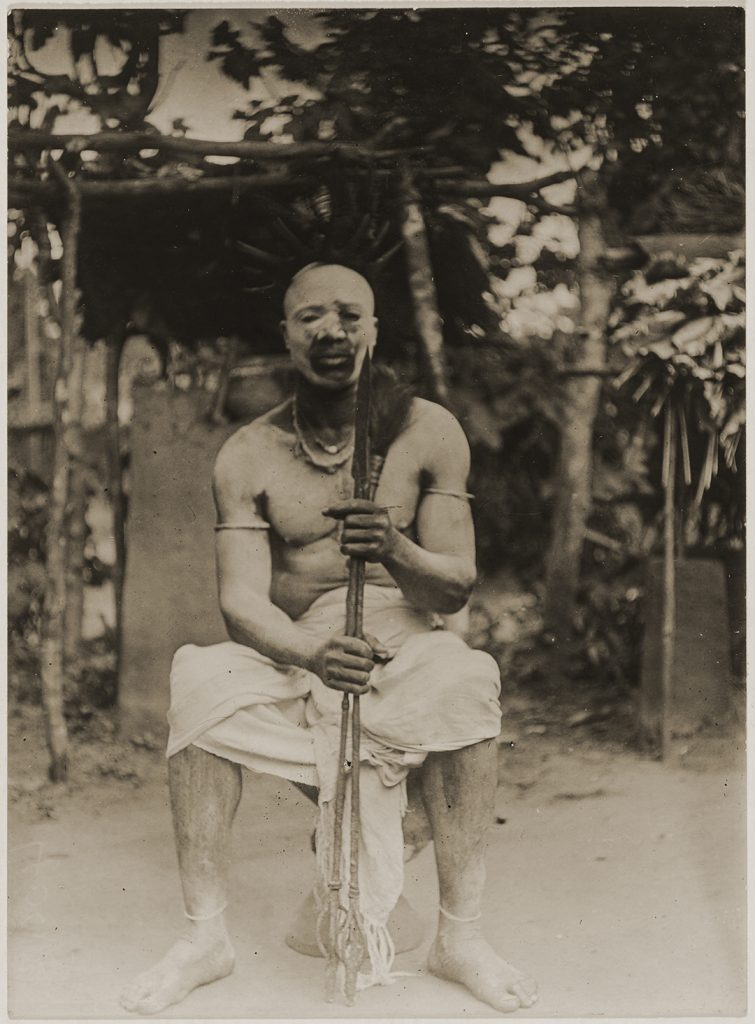
‘Chief Mgbeze’ of Okpanam, photographed by Northcote Thomas in 1912 after his title-taking ceremony. He holds a pair of alo staffs and wears the eriri ukwu on his ankles, visual markers of his new status. Mgbeze is painted with chalk to symbolize purity and communion with the ancestors. 


The axiom emphasizes the importance of recognizing and honoring the spiritual dimension of human existence, and the interconnectedness of all things in the universe. It is a reminder that human beings are not separate from the natural world, but are an integral part of it. Spiritual hygiene is then seen to be as equally important as physical hygiene, to prevent the spread of spiritual pollution which could hinder a person’s growth just as physical hygiene prevents the spread of diseases. It involves keeping oneself spiritually clean as a way of life, as well as through frequent cleansing rituals that range from minor to major practices

It is impossible to discuss the subject of spiritual hygiene in Igbo spirituality without addressing the concept of “Nso”, which has both a negative and positive sense. In its negative sense, Nso means ‘avoidance’ or ‘prohibition’, and in its positive sense it means ‘holy’ or ‘sacred’. In a combination of both its negative and positive sense, Nso could then be translated as ‘sacred prohibition’. The concept of Nso in Igbo spirituality is often associated with certain activities that are considered sacred or spiritually significant. Breaking or violating an Nso is believed to bring about spiritual pollution which can have negative consequences for the individual or the community at large. This is one of the many reasons why spiritual hygiene is taken seriously as a way of life in Odinani.
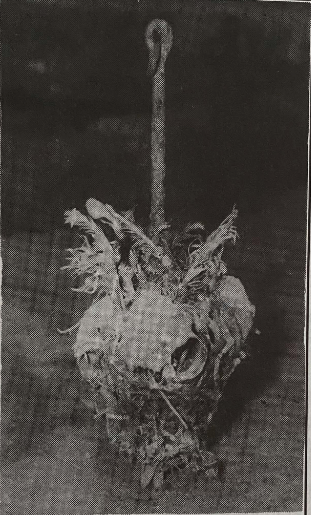
Otunsi: The principal implement used by Nri diviners to remove abominations/pollutions and to restore sacredness and positiveness

Source: After God Is Dibia, Volume 1, page 9

Another concept that is crucial to the subject of spiritual hygiene in Igbo spirituality is the concept of “Aja”, it is a concept in Odinani which refers to the practice of making sacrifices to spirits in order to maintain balance and harmony between the spiritual and physical worlds. The sacrifices are believed to be necessary to appease the land of spirits and ensure their continued favor and protection. They may involve the offering of food, animals, or other objects, and are often performed in sacred places or during specific rituals.

There is another Igbo axiom which holds the wisdom of the practice of Aja, it states “Ka ana achu aja, ka ikpe n’amah ndi mmuo” which means “Let’s keep sacrificing, let the spirits take the blame.” This axiom holds the belief that by making sacrifices, humans can avoid blame or negative consequences for their actions, as spirits will take responsibility for any negative outcomes. It reflects the Igbo belief in the interconnectedness of all things in the universe and the importance of maintaining a harmonious relationship with the spiritual realm. More importantly, Aja is also used in a sense as a tool of purification in Odinani to rid one of spiritual pollution which the ancestors and spiritual beings are expected to help keep in check.

The Last Sacrifice” by Chukwuemeka Nwigwe

There are several aspects of Aja which assert to its crucial relevance as a tool for spiritual hygiene in Odinani, such as Ichu Aja (driving a way impurities), Ichu Noonu or Ikpochi Onunu (driving away from or closing a gaping grave), Ichu Ochuchu (driving away a punitive type of impurity), Obo di n’ana (spirit retaliation planted on the land) e.t.c. Some of these aspects of Aja also assert the value of spiritual hygiene to the very fabric of the Igbo way of being. Another concept which cannot be ignored when discussing spiritual hygiene in Igbo Spiritually is one known as “Ikpu Alu”, which means ‘to drive out abomination’.

Just like all other tools of spiritual purification to get rid of pollution in Odinani, it may be carried out on behalf of an individual or a community. There are usually special instances of what is considered to be spiritual pollution which are of a more serious nature that require this purification ritual or process of Ikpu Alu to be done. There is barely enough space in the scope of this post to go into proper details of each concept which we have highlighted in order to illustrate both factors of pollution and purification, as we consider them as major elements within the subject of spiritual hygiene in Odinani.

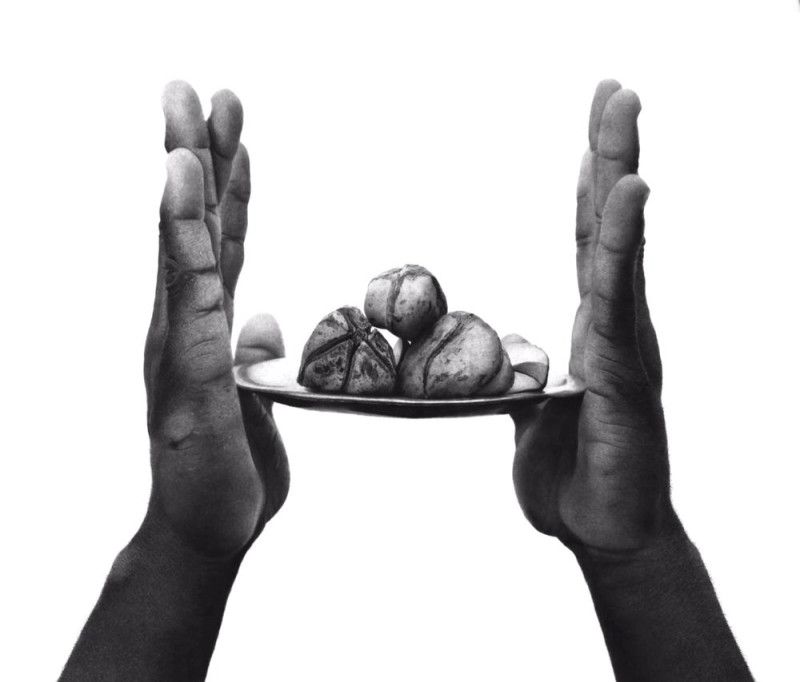
Nzu (white chalk), Oji (Kola Nut), Edo, Ose-Oji (Alligator Pepper)

On a final note, there are some basic tools and rituals for spiritual hygiene in Igbo spirituality which Odinani adherents are encouraged to put into practice as way of life, such as making use of water to wash the legs, face, mouth and hands or whole body before engaging in Igo Ofo or Igo Mmuo (communion with the spirit realm) rituals, and using other tradition items such as Ose oji (alligator pepper), mmanụ nkwu (palm oil), nnu (salt), akwa (egg) etc to ward off ‘Uchu’ which refers to negative energies known to cause spiritual pollution. Spiritual hygiene as a conscious practice is as important today as it has always been in Odinani for several reasons, some of which include maintaining balance and harmony as the practice helps to keep negative energy (uchu) at bay, and consequently generates more positive energy. It also encourages us to pay attention to our energy or aura. By using certain rituals to repel unwanted energy, we are taught to consciously maintain our energetic state and achieve balance and harmony as a way of life.

Ultimately, when we practice good spiritual hygiene, it is believed that we are able to connect more deeply with the divine and strengthen our relationship with the spirit world. Our spiritual, physical, mental, and emotional well-being are all believed to be interconnected, and neglecting one area can have negative effects on the others. By maintaining good spiritual hygiene, we can promote overall well-being and reach our greatest potential while maintaining a pure and aligned spiritual state as Ndi Mmadu (enlightened human beings).

Seven Principles of Wealth Creation & Sustenance In Odinani (Igbo Spirituality)

Standard

Wealth is the accumulation of valuable resources, including material possessions, money, and other assets, owned by a person, community, company, or country. It is the state of being rich and affluent, having a great quantity or store of money, valuable possessions, property, or other riches.

Odinani, which is the way of life, the philosophy of culture as well as the spirituality of Ndi Igbo has always provided principles which are fundamental truths, beliefs, and ideas on wealth creation that can guide the average person willing to follow them diligently to achieve great results. Here, we have highlighted some principles in Odinani which when followed can transform the lives of those who implement them:

1. Mụta Aka Ọlụ: This means to learn a skill, or handwork. There has always been a value for hard work within the Igbo community from time immemorial, but it has never been just about hard work. This principle teaches that it is not enough to just work hard aimlessly, but that one has to gain expertise in a specialized field of work by learning through service under someone else who is already an expert in that chosen field for a couple of years before setting off (with the assistance of that mentor) to start their own practise or by committing some time to go to an institution of knowledge to acquire a specific skill of interest. The principle of mụta aka ọlụ, holds that after a certain age each person in the society should be assigned to a mentor or sent to an institution of training to learn a skill they can rely on in life, to contribute to the upkeep of their community and family.

2. Igba Mbo: Its literal meaning is the dance of diligence and effort. This principle teaches one to hustle, it emphasizes hard work but again not in aimless pursuit. Igba Mbo encourages each person to try to obtain results with their natural talents or skills they have acquired, by energetic and consistent activities of persistence, to sell or promote their abilities energetically and confidently, it encourages us to make strenuous efforts to obtain the results we want to see in life. This is the principle that teaches us not to give up easily, and to recognise that failure is simply a vital step in the dance of diligence or determination.

3. Igo Ọfọ: This principle encourages one to be true and just in all they do, it teaches us to commit all of our affairs into the hands of our God, our progenitors, and all the natural forces assigned to guide us in life. The ofo is a tool used to invoke blessings or curses, it signifies authority as well as administration of justice. This principle teaches us that as we go about our business affairs we must remain fair and just, and we must also remember to consider those unseen factors that affect our affairs and do right by them. This includes the universal laws which we must keep and the forces of nature we must not violate while doing our work to earn rewards. One must also always declare blessings over themselves and their business, and not curse that of others.

4. Nwanne Bụ Chi: This principle teaches us to be our brothers keepers first. It encourages us to treat our neighbors the way we want to be treated. Essentially, it guides us to first consider those within our communities for work or opportunities especially where the skill is available before outsourcing them. And when we find the skills lacking to fulfill our needs within our communities, to try to assist at least one person to gain such a skill for the benefit of the community. The principle teaches that one’s own chi is sustained when they help sustain the chi in their own kin.

5. Isalaka: This is the principle of Almsgiving , that is the act of giving charity or help to another person who is unable to repay the kindness. It is not done to receive public thanks or acknowledgment, but rather from a genuine willingness to improve the destitute state of others as well as the overall welfare of our communities.

6. Ịchụ Aja: This principle teaches one to make offerings and sacrifices by giving back in gratitude to the forces that are believed to contribute to their success and sustenance in life. It encourages one to practice thanksgiving occasionally towards the unseen higher forces that stand for us in the realm of the unseen.

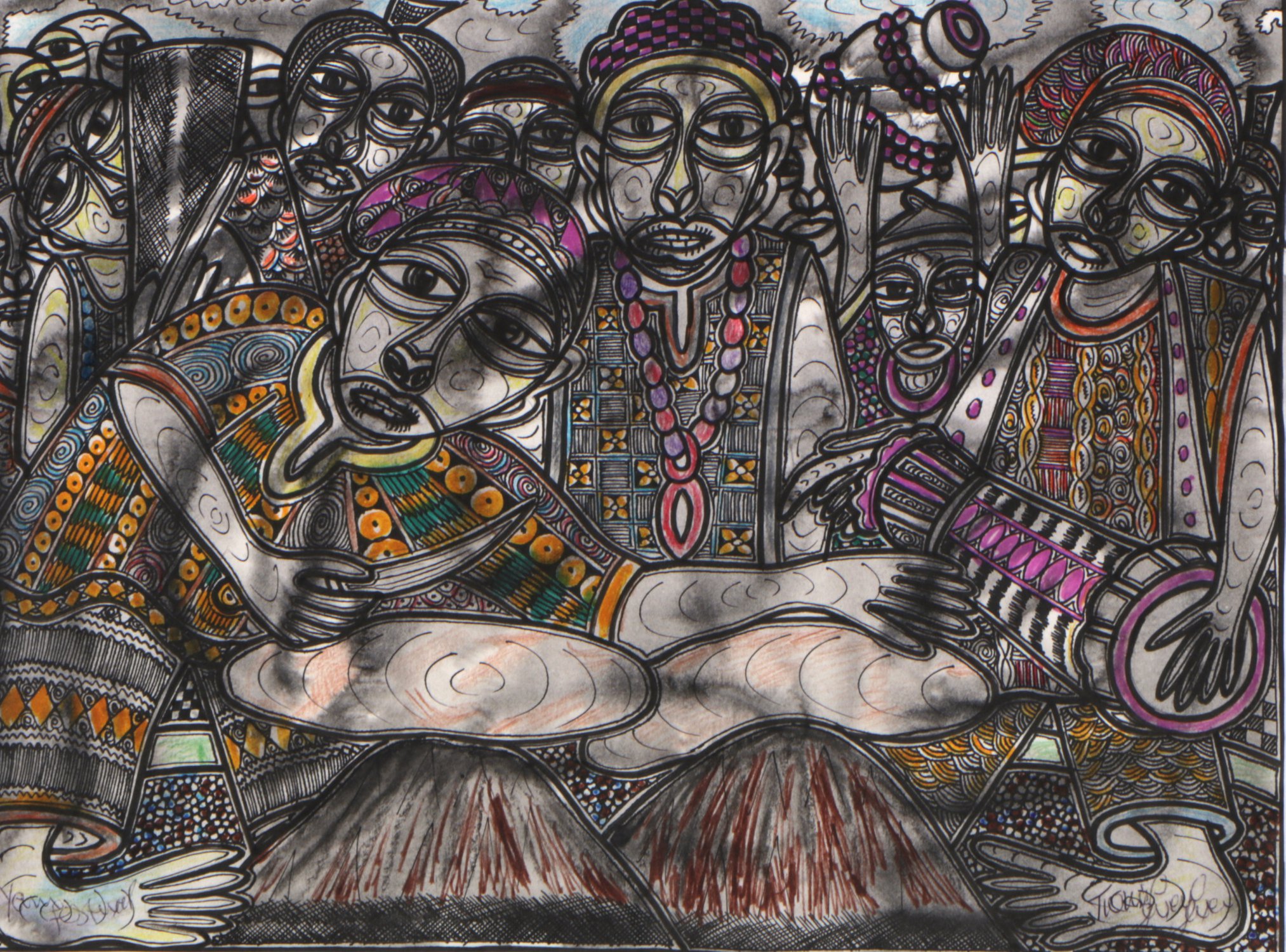
"Yam Festival" by Twins Seven-Seven
“Yam Festival” by Twins Seven-Seven

7. Sụpụ Asụsụ: This principle encourages us to make efforts to learn our mother tongue and always try to improve our knowledge of our language and culture in stories, music, and all forms of art, as these mediums can help those who do so maintain the good values in our societies as well as understand how to reform and improve traditions without destructively disrupting cultural context.


These are some of the principles we can remember and learn from in Odinani, which when understood and followed have proven overtime and throughout ages to be able to help people who adhere to them collectively build and sustain generational wealth

Seven Major Uses of Ose Oji in Igbo Spirituality (Odinani)

Standard
Seven Major Uses of Ose Oji in Igbo Spirituality (Odinani)

Ose Oji, also known as alligator pepper or as mbongo spice or hepper pepper, is a symbolic item used in Igbo land, as well as across communities in West Africa. The scientific name of ose oji is Aframomum danielli, Aframomum citratum or Aframomum exscapum. It is believed to come from a sacred fruit and has spiritual benefits that can bring favor, happiness, prosperity, and protection from harm to those who know how to apply its properties.

In Igbo spirituality, Ose Oji is considered as a spirit, and it is treated with such respect and reverence as are given to spirits. Before opening a pod of ose oji for the first time, it has to be taken behind the back of the body as a sign of reverence. It is also believed that by that action whatever is posed to inflict the pepperish sting of evil on the holder will move from the front and go behind them where such evil manifestations will not come to fruition. This sort of practice in Odinani demonstrates that Ose Oji is not just a physical item but a spiritual one with abstract significance in Igbo culture.

We have highlighted seven major uses within the context of Igbo spirituality below, to help
provide some insight and knowledge for those interested;

  1. Ose Oji is used for cleansing and purification exercises, to ward off negative energy or evil. There are a couple of ways its seeds are applied in contact with the body and disposed attentively to avoid disarming the exercise in effect.
  2. Ose Oji is used for affirmation and declaration exercises, to enhance the power of the spoken word as well as manifestation prowess. Usually done by applying a number of seeds in the mouth before making one’s affirmations or declarations.
  3. Ose Oji is used as a protection tool. When people embark on journeys they do not feel secure about or any form of travel, they can keep some of its seed in their pockets or bags and it is believed to ward off danger or evil intentions which help keep its carrier safe. On return from such journeys the seeds are attentively discarded.
  4. Ose Oji is used as an enhancing tool for spiritual fortification or for recharging personal energies by applying into water or hot drinks and dedicating to the energies in question, with intention.
  5. Ose Oji can be used as a symbol of hospitality for both humans and spirits, in the same way Oji Igbo which refers to Kola nut is used.
  6. Ose Oji can be used as an abstract binder to bind people who come into oral contracts or commitments in agreement, in the same way Oji Igbo (Kola nut) can be used for such purposes.
  7. Ose Oji can also be applied in herbal remedies to treat various ailments by indigenous doctors who are trained and understand the mechanics of its application in such cases.

We can see from practices still present in Igbo culture that Ose Oji is a significant item in Igbo
spirituality, and it is used for various purposes, including rituals and ceremonies, controlling
spirits, promoting unity and peace. In addition to its spiritual benefits, Ose Oji is also used for its
health benefits. It is believed to have anti-inflammatory, antioxidant, and antimicrobial
properties. It is very symbolic within Igbo culture and tradition, and it is treated with respect and
reverence.

(Video) 4 Elements of the Human Soul – Igbo Mythology (reincarnation, purpose, divinity, spirit bonds, more)

Standard

This video shows the four spiritual elements that make the human soul according to Igbo spirituality. These are Chi, Eke, Mmuo and Onyeuwa. This is important to understand if you’re building a foundation in Odinani (Igbo Cosmology/Spirituality), and to add insight on the nature of the human soul. This video also touches on how to determine your destiny, predestination, how reincarnation works in the Igbo world view, and how these parts work together to make you who you are.

Step 13: Ifunanya

Standard

“Madụ bụ chi ibe ya”

(Mankind is god to his fellow man)

Welcome to Step 13. If we were to journey back to a traditional compound (ezi) in Igboland, we would observe that a place usually at the center, which was the most important building. This place, known as the obi, was where the owner of the compound lived. And it’s no coincidence that the same word for obi is also used for the heart.  Of all of your organs, the heart is the most critical to life itself. When it stops beating, your life literally comes to an end. The emotion usually associated with the heart is love, which in Igbo is known as ifunanya, and that’s also the name of this final step.

What is love? A whole library could be filled with literature, music and arts about this topic. Whether it’s love between human beings, love of objects, love is something that everyone has an opinion on. For this step, the type of love that we are going to focus on is human love. And  two of the main ways that human love is expressed: in a more selfish way, and a more selfless way.

Those whose expression of love is mostly the selfish type have love of self as their primary (and sometimes sole) motivation. Self centered humans develop a false belief that the world revolves around them. When it comes to anything they do, their main motivation is to satisfy their needs and wants. Even if they are engaged in activities that can be of benefit to others, it’s almost never for the right reasons. 

Overly selfish people often usually care more about ideas and concepts than other people. If they even know what consequences are, they don’t care about them so long as negative ones don’t impact them personally. Humans who are stuck at this level of love have the capacity for the greatest destruction of both themselves and others. 

“It is literally true that you can succeed best and quickest by helping others to succeed” – Napoleon Hill

Those who operate at a much higher level of love are those who have love of others as their primary motivation. They engage in more selfless thoughts and actions and are usually described as having empathy. If they don’t want something done to them, they try not to do it to others. They try to remember how the consequences of their actions will impact others, even if it doesn’t negatively affect them personally. 

People at this higher love level have realized that the Chi na Eke that resides in them also is connected to the Chi na Eke that resides in others. Therefore, anything that they do to others will have an impact on them, whether they acknowledge it or not. When their Ikenga is in a position of authority, they desire to serve, guide and lead, instead of ruling over. When their Ikenga is one of a fighter, it’s the type of fighter who does it for others, especially those who are unable to fight for themselves. 

The dreams (nro) that they are working into turning into reality are the types that benefit more than just themselves. And the destiny (akaraka) that they have chosen involve them having a positive impact on others.  They always come to the conclusion that they don’t know everything, and that it’s much better to learn from the experience of others than to try to experience everything on their own. And they are happy to share whatever wisdom they have. That makes them lovers of wisdom, which we know as being in the state of Ako bu Ije. 

Those at this higher love level realize that the same air that fills their lungs during their ume ndu practices has been inhaled and exhaled by others; and that increasing the abundance (aku na uba) of others helps them increase their own abundance, rather than diminish it. They recognize those who came before them, as well as those who helped them get to where they are today. And when they engage in any transformative process, they’ll make sure it’s not at the expense of others.  They forgive themselves and also forgive others. They are patient in their own affairs and are also patient with their fellow human beings.

Have you noticed that a fair amount, if not most of the “greatest” things you have done were usually for other people? Those that engage in labors of love are usually operating at the highest level. They are the true elites. Their primary motivation isn’t fame, fortune or even greatness. However it’s not uncommon for them to gain these things anyway. If you truly want to maximize your life, consider what you can do out of the love of other people. Whatever path you choose, do it with the higher level of love. Stay blessed and remain loved. 

Step 13: Above all, love is key. I strive to do things with love. And to love others as I love myself. 

Step 10: Ọgwụ

Standard

“Ife na-azo na-egbu, ife na-egbu egbu na-dzo azo”

“What saves also kills and what kills also saves”

Welcome to step 10. By completing the first nine steps, you’ve now entered into some of the higher lessons. And as a result of you making it this far, I’d like to give you a few gifts I’ve prepared for you. The name of this step is  “Ọgwụ”, which is usually translated as medicine, but that is just scratching the surface of its meaning. For the purpose of this step, I’d like to give you an additional translation for ọgwụ, which is “change agent.” To those familiar with chemical reactions, the word “catalyst” is also a good synonym. 

Ọgwụ is something causes a measurable change. It can be in the form of an object or an action that is performed. The change from ọgwụ can be slow or it can be quick; it can be positive or negative; it can be subtle or very pronounced. Most of the time, it is associated with a change in one’s health (going from a state of disease to a state of wellness), but the type that I am imparting to you also has to do with your mind, spirit and overall situation in life. So take time to reflect on each bit of ọgwụ that you’re about to receive. 

Nke Ọgwụ Mbụ: The Magic Medicine

For millennia, humans have searched far and wide for a “magic pill.” Sometimes they called this a panacea. Othertimes it was known as the “elixir of life” or the “philosopher’s stone”. Regardless of the name, the magic pill was a singular item or action that one could take and magical results would happen. In some stories, planting magic beans would sprout a stalk that reached to the heavens. In others, ingesting it could give a person superhuman abilities or remove all of the ills in their life. Given its purported benefits it should come as no surprise that countless hours and lives have been spent in its pursuit. And I’m here to give you nke ọgwụ mbụ: There is no magic pill. 

Ironically, if you’ve made it all the way up to step 10, this shouldn’t come as a surprise to you should it? Whether it’s in the form of a particular “ism”, a spiritual practice, charm or sacred object, there is nothing that will be a solution to all of your personal (or societal) problems for all time. Furthermore, there are few good things in life that come extremely quickly. In fact, the good things in life that come quick, be they fortune, money, etc., can leave just as quickly, and usually do. Just about everything that’s truly worth in life is a process. And again, if you’ve made it this far, you’re already aware of this, and this bit of nke ọgwụ simply served as a reminder

Nke Ọgwụ Abụọ: The Bitter and Sweet Medicine

The vast majority of ọgwụ used for medicinal purposes is the edible variety. Now when it comes to the ọgwụ that one consumes with their mouths, we are going to focus on two tastes: Sweet, which is pleasing to the tongue, and bitter, that which is not pleasing to the tongue. Pretty much everyone has a sweet tooth to some degree, meaning they enjoy consuming things that are sweet. And while things that are sweet aren’t by themselves bad, too much of such things will cause a number of negative side effects, including rotting of teeth as well as destruction of one’s health. Likewise, when ọgwụ is consumed via the ears, one can fall into the trap of hearing what they want to hear. Over time, this will result in one digging themselves deeper into delusion until they have an inability to tell verifiable reality from their fantasy. Being optimistic is actually very beneficial to one’s success, but excess optimism can be harmful and cause ruin. 

Now, regarding the bitter medicine, one will observe that those ọgwụ that are not sweet to the tongue usually have the biggest positive impact on one’s body and mind. Usually bitter things are associated with poisons (nsi). However, the idea that poison must be bitter is a misunderstanding. I’d argue that most of the poisons that people ingest (through the eyes, ears and mouth in particular) are indeed the sweet kind that will kill you slowly over time. With that being said, one can also ingest too much bitter ọgwụ, and slowly turn into a person with a bitter mindset and demeanor. 

What are the takeaways of this nke ọgwụ? That even good things can be overdone and turn into bad things. Many things that taste sweet are poisonous and bitter medicine is often the best type. 

Nke Ọgwụ Ato: The Medicine Given After Death

Most of the time ọgwụ comes with instructions, not only how much to take but when to take it. It goes without saying that taking medicine early is almost always better than taking it late. Furthermore, when one takes a small amount of particular ọgwụ on regular basis, it becomes preventative medicine and minimize or outright keep certain misfortunes from occurring. One can have the best medicine on the planet, but the longer the delay in taking it, the less effective it will be. In this particular case, procrastination and delay are poisons that neutralize nearly every ọgwụ. At some point, even the most potent ọgwụ will be too little too late, and effectively would be like administrating medicine after death; which of course is ridiculous isn’t it? 

With all of that being said, however you desire to take your ọgwụ , just take it! You’ve already been introduced to several types of ọgwụ in step 7, as you learned about umu ndu

Step 10: There are no magic pills, everything is a process. What can harm can also heal and what can heal can also harm. I will not delay, and won’t wait for tomorrow what I can begin today.

Action items: 

Take an honest self evaluation with your current life and decide what changes you’d like to make. Secondly, assess the current things you’re doing that are either slowing down or outright blocking you from those changes becoming your reality. Afterwards, assess the things that you’re currently not doing, that if you were, would bring you closer to your dreams becoming reality; and then start doing them, without delay! And stay tuned for Step 11, which is coming out the next new moon, which is June 10. Yagazie! 

The True Holy Communion

Standard

Where we raise the kolanut made by MOTHER NATURE (they call God)
They raise the bread made by man.

Then we declare “He who brings kola brings life”
They too declare “This is the bread of life”.

We offer thanks,
They offer thanks.

We offer wine
They offer wine

Then we bless the congregation
They too bless their congregation

We call on our Ndichie and #worthyAncestors; Okeke,Okafọ, Okonkwo, Okorie, Igbokwe, Odenigbo and Igbokenyi, in “the communion of the living and the dead” to partake in our kola,

They too call their #Ndichie, and ancestors; St. Peter, St.Cyprian, St. Caro, St. Mark and Kizito to partake in their rite, in “the communion of the living and the dead”

Then we break and eat the consecrated kolanut,
They too break and eat their consecrated bread.

For this #task we chose our men folk
They too chose their men

A properly consecrated kolanut is the true #HolyCommunion

Yet many of you fail to see that
WE HAVE BEEN HERE BEFORE TIME BEGAN! and they can only walk in our shadows!

They took what is ours and made it look like theirs, yet in their envy they call us EVIL, we who welcomed them into our homes. They #enslaved the #minds of our children and set them against their fathers.

Now our children no longer know who they are; the firstborn creation of Chukwu Okike, a Noble race, Freemen, priests, priestesses, all have lost their place in the light.

We descendants of #Ndigboo-the ancients, we are the light of the world.

I bring good news from our ancestors

Our culture
Our Pride

Ndi Igbo bu ndi gboo ( The ancient)

Ozioma Odinana

THERE IS NO RELIGION HIGHER THAN TRUTH

Step 8: Aku na Ụba

Standard

“Abundance is something you already have. You simply must learn to change it from one form to another.” – Omenka Egwuatu Nwa-Ikenga 

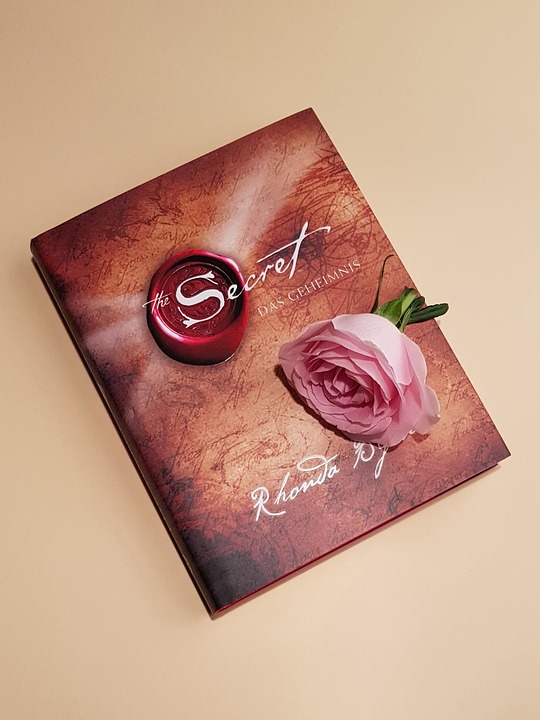
A few years ago, a book came out that took the world by storm. Entitled “The Secret”, the book taught people how they can manifest what they desired through something called the law of attraction. Now the purpose of me mentioning this isn’t to analyze the message expressed by that author, but rather draw your attention to an bigger secret that happens to be right in front of your eyes. 

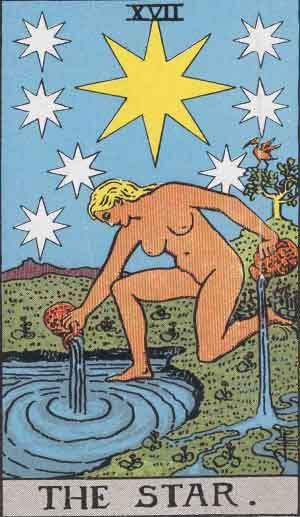
In the last step, you learned the importance of breath. The next step we will focus on the next most important thing, which is water. Humans can survive for minutes without air, but days without water.  And if you were born and raised in Igboland before boreholes, you had two ways of getting water: Fetching or catching.

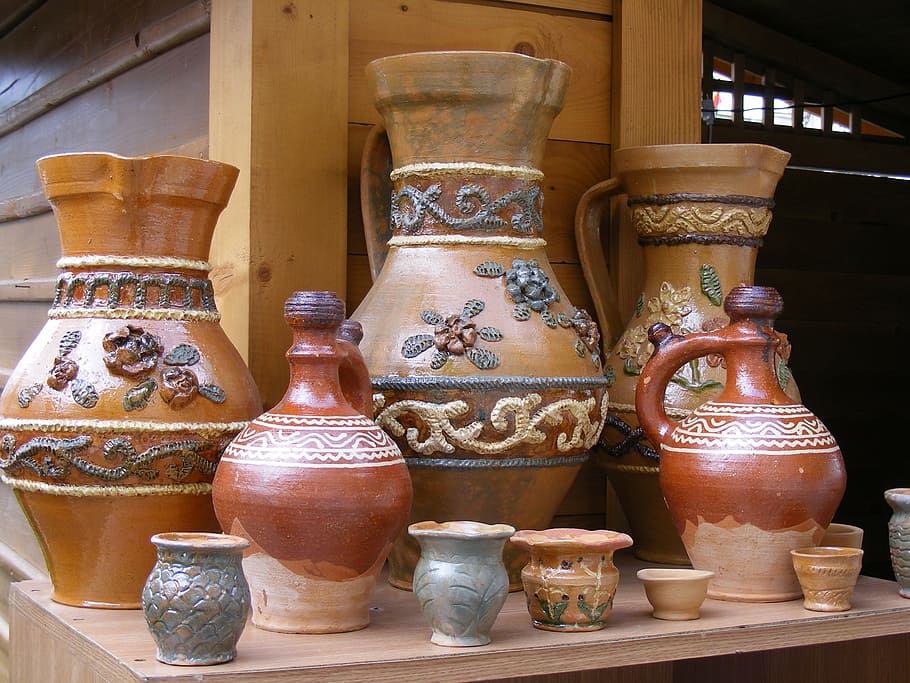
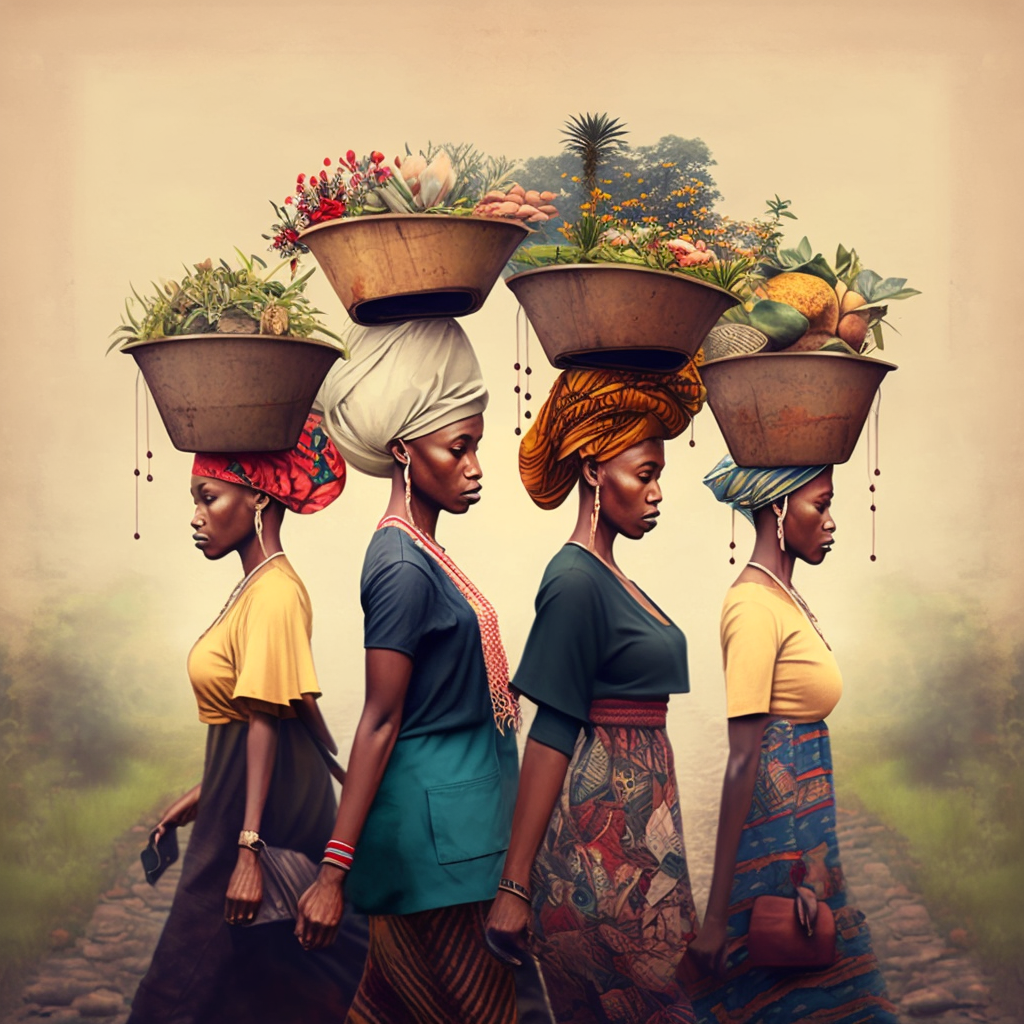
Let’s first begin with fetching water. The instrument of fetching water would be a clay pot. You would carry this pot on your head as you walked to and from the stream or lake that your community depended on. Now if it was rainy season, you can leave other types of pots outside and let the rain fill them for you. 

You can could utilize this water in several ways. You could utilize it to water your crops during the dry season, or let it happen automatically during rainy season. Of course these crops once harvested would be the main source of food, which is your nourishment.

You could utilize this water for bathing, either in a designated river or in the comfort of your own home. You could use it for washing your hands before and after a meal. You could directly use this water for drinking, or to prepare other drinks or other various meals. The list goes on and on. 

For the purpose of this step, let us define water as a metaphor for the various blessings (ngozi) in life. Good health, wealth, wisdom, etc; Your talents, resources, achievements and so forth. What if I told you that there was an unlimited source of blessings that you could access anytime and anywhere? How much would your life change? How generous would you be with your various blessings if you knew that you had an unlimited supply of them?

Well my brothers and sisters, I have supremely good news to share with you. Circling back to your previous lessons, you’ve learned the importance of your Chi na Eke being in sync with one another. And I’ll give several reminders of why. 

What would happen if you tried to pour one pot into another but they weren’t in alignment? Most of the water would end up on the floor, and go to waste.  Another question is what would happen if the pot you carried to fetch water from the stream had a hole in it? By the time you return back home, it would be empty. Likewise, if the pot you laid outside was covered up by something, then it would be unable to catch water from the sky, and remain empty.

Your Chi na Eke being out of sync is equivalent to the negative scenarios I mentioned above. The Chi, which if you recall was your potential energy, is the source of the water (blessings). And your Eke is the pot that receives the water.  If you recall, your Chi is unlimited. If they are in sync, you will be able to catch all of the water you need. If you decide to either increase the size of your pot or the number of pots you utilize, you will be able to receive more water. If you share the water from your Chi, you can always replenish it because it never runs out. Isn’t this amazing?

The igbo phrase for abundance is Aku na Ụba and that is the name of this step. And the secret that I want to share with you is that abundance is something you already have. And once you learn how to tap into it, you can turn it from one form to another. For most of human history, crops were one of the main forms of wealth, and this continues until today. Its no coincidence that most festivals are agriculture related and involve food and drink.

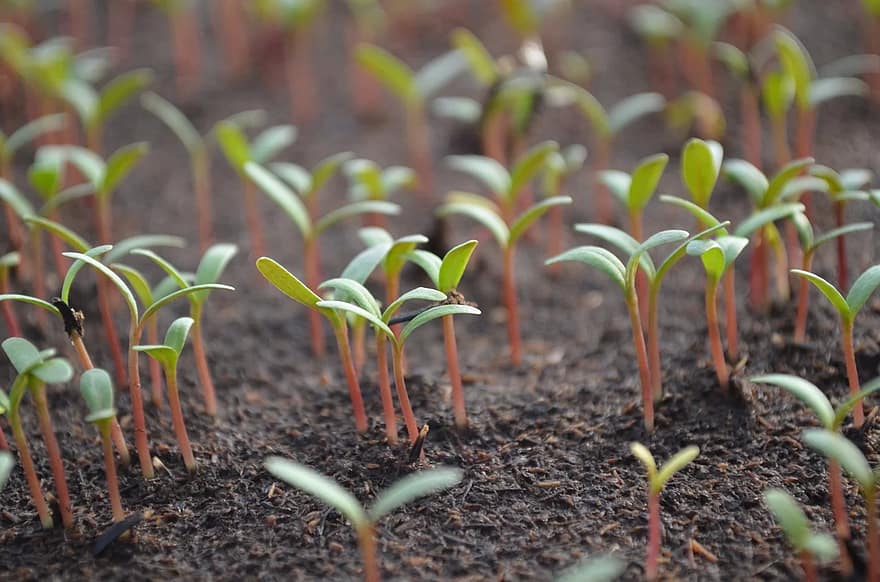
A seed once planted in healthy soil and given adequate sun and water will eventually grow and yield a harvest. That is one form of abundance by itself, but does not have to stop there. I’d love to give some examples of other forms of plant based abundance that each of you are familiar with.

The edible part of crops when properly cooked and prepared can be transformed into fantastic meals. If you can think about some of your favorite foods and drinks, you will know how much of a blessing it truly is to be able to enjoy them. Some of those edible parts can also be turned into medicines. And when you or a loved one is sick, having the right medicine available can truly be a matter of life or death. 

The non-edible portions can be utilized in a number of ways. The clothing on your body contains fibers that came from a plant, as did the dyes that give it color. Every building you’ve ever seen has plant based materials from various trees or bamboo stems. And of course, paper, musical instruments, books, etc. None of these things would be possible without an abundance of water. 

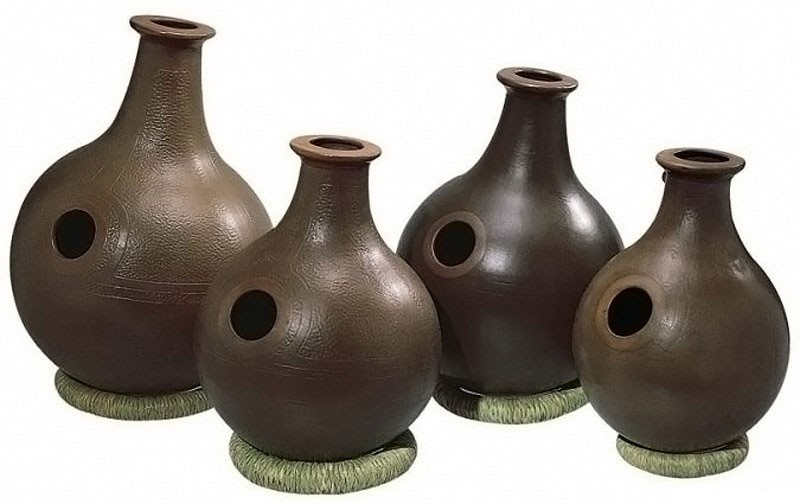
Udu drums

And once you understand the abundance you already have, you can utilize it to get the type of abundance you want. How do you do that? I’d like to tell you about the 3 phases of abundance:

Phase One: Igbako Ngozi (Counting blessings)

The first phase is taking an inventory. I call this counting your blessings. And I do mean this literally. Take an assessment of your life and take note of all of the good things you have going for you, no matter how trivial or mundane it may seem to you. For people who don’t posses that thing you have, you are indeed more wealthy than they happen to be in that particular area. 

For example, a person who has happy healthy relationships is indeed wealthier in that area than a person who has alot of money but extremely toxic relationships. A person who has fame and fortune but bad health is actually not better than a person that has great health even if they aren’t very wealthy or well known. I will now remind you of some of the forms of abundance that you already possess.

If you are reading or listening to this, then you are literate in at least one language. That is a form of wealth and it opens you up to being able to acquire information, knowledge and information from others. If you recall, we covered this in step 6, which was Ako Bu Ije. And of course, you must have access to the internet, which means you can find information about pretty much anything you can imagine.  If you recall the lessons from Step 4, Nrọ, information and knowledge are actually revealed to you every night when you sleep, including important parts of your destiny (Step 5).

“Peace and blessings manifest with every lesson learned. If your knowledge were your wealth, then it would be well-earned” – Erykah Badu

The next type of abundance is your community, which includes your friends, family, and colleagues. They are the main source of the abundance you have but did not earn. This is the type of abundance that has been given to you as a gift from others. Those of you who grew up in a healthy home environment often don’t realize how much of a blessing it was until you encounter people who did not. The same applies to growing up and living in a safe and friendly environment. Having friends who can be there when you need them, as well as tell you what you need to hear, rather than what you want to hear. And there doesn’t seem to be a greater joy in the world than having a loving partner and sharing your love with children. 

 “A good name is rather to be chosen than great riches, and loving favour than silver or gold” (Proverbs 22:1)

“Nwakego” (Children are better than money) – Igbo name 

Another type of abundance is one’s health. Your body is mostly water and not drinking enough will have adverse effects. If you are blessed with the 5 main senses, you are abundant compared to people who are not. People in good health are more productive, accomplish more and usually live longer more fulfilled lives than unhealthy people. 

.

Phase Two: Mgbanwe (Transformation)

The type of abundance I’d like to discuss is one that is not the type you have, but the type you can do. If you recall the lesson from the last step, your main task involved things that energized you either after or while you were doing them. The activities that energize you while you’re doing them are usually the same as your talents. And the activities that energize you afterwards are often utilized by successful people before they perform a particular task. Now both of these tie into the next phase of abundance, which is the transformation phase. And also includes the lesson from Step 3, which was Ikenga.

Besides being your self image, Ikenga is also the source of your drive, as well as the tools you need to accomplish your tasks. Its not a coincidence, that in ancient Igboland, Ikenga was associated with blacksmiths. The same way that blacksmiths turn iron ore into various types of objects, you too can turn your time, talents, knowledge, etc. into money, prestige, power, etc. However one has to be willing to take the initiative, endure through thick and thin, stay the course, etc.

Ikenga also teaches you that you can achieve tasks quicker and easier if you work with others rather than trying to do everything yourself. Being able to work together with others will result in something known as synergy, which is energy that is greater than the sum total of all of your individual energies. And just like the blacksmiths utilize a tremendous flow of air in their forging process, if you utilize your umu ndu practices to supercharge your Ikenga, you can now turn the abundance you have into the types of abundance you want.

Phase Three: Inye (Giving)

And the last phase and one of the most overlooked of them all is that of sharing. As I said earlier, the blessings that come from your Chi are infinite. It’s not just a coincidence that the infinity symbol is the number of this step turned on it’s side. 

If you are tapped into something that has an unlimited supply, isn’t that more than you can possibly utilize for yourself? And if you have more than you need, why not share with someone who needs it more than you? My brothers and sisters, actively sharing your abundance in a sincere and wise way will not only keep the waters from your Chi flowing, but also increase the amount you can receive.

Sincere giving is one done without expectation of a return. It’s when you give not because you want attention, control or a favor in the future. A very simple test would be whether or not you would still give if you didn’t get any credit for it (i.e anonymously). Wise giving is when you give in such a way that it helps further the growth of those who receive it. For some people, receiving too much or too soon can be detrimental to their growth, especially if they need to eventually learn to be independent. Utilize your judgment (Ako bu Ije).

Regardless, the key thing to remember is that increasing the abundance of others does not have to diminish your own. In fact it can do the opposite, in ways you may not expect or realize until afterwards. Despite what you may have heard, life is not a zero sum game. A person does not have to win at the expense of others. Win-win scenarios are what you should strive for.

As a recap: If your Chi na Eke is in sync, you can tap into an infinite source of abundance. You first must take inventory of what you have by counting your blessings, and then utilize what you have (blessings + talents) to get the things you desire. You will have better success if you work well with others than if you try to do everything on your own. And of course along the way, give sincerely, wisely and cheerfully to those who need more than you do. 

Step 8: I recognize that I already have abundance, and must learn to change it from one form to another. Increasing the abundance of others does not diminish my own.

Action Items:

Engage in regular practice of igbako ngozi. Whatever the frequency, make sure you keep up with it. I recommend a journal or a visual representation that you can look at frequently (Such as a vision board but for your blessings)

Take initiative on a task if you haven’t already done so

Find ways for collaboration on tasks you have already started

When the need arises, give sincerely, wisely and cheerfully, without any expectation of getting anything in return

Stay tuned for Step 9, which is coming out the next new Moon, which is April 11. Yagazie! 

.