The Igbo worldview is one that accounts for both abstract (spiritual) and physical (material) realities. It is believed in Odinani as an indigenous way of being, that anything which shows up in the human world (Uwa Mmadu) comes from the land of the spirits (Ala Mmuo). The concept of Pollution and Purification have always been crucial to the practice of Odinani, as both factors are considered to be of spiritual and material nature. In Igbo spirituality, spiritual hygiene as a practice stems from the acceptance of the spiritual nature of pollution, leading to the possibility of spiritual purification. An Igbo person as well as their community is believed to be as spiritual as they are physical, and can consequently incur spiritual harm as much as they can incur physical harm.
Spiritual hygiene refers to the practice of taking care of one’s spiritual well-being. Just as we take care of our physical hygiene by showering and brushing our teeth, it is believed that we should also take care of our spiritual hygiene to maintain a healthy and fulfilling life. In Odinani, just as all concepts take polarity and duality into account, physical and spiritual hygiene account for one another. They easily complement each other. There is an Igbo axiom, “Otu mmadu otu mmuo”, which means “One is both a human being and a spirit.” It reflects the Igbo belief that human beings have both a physical body (mmadu) and a spiritual counterpart (mmuo), and that these two aspects of a person are interconnected. In Igbo spirituality, mmuo is believed to be the source of a person’s life force, and is often associated with ancestors and other spiritual beings.
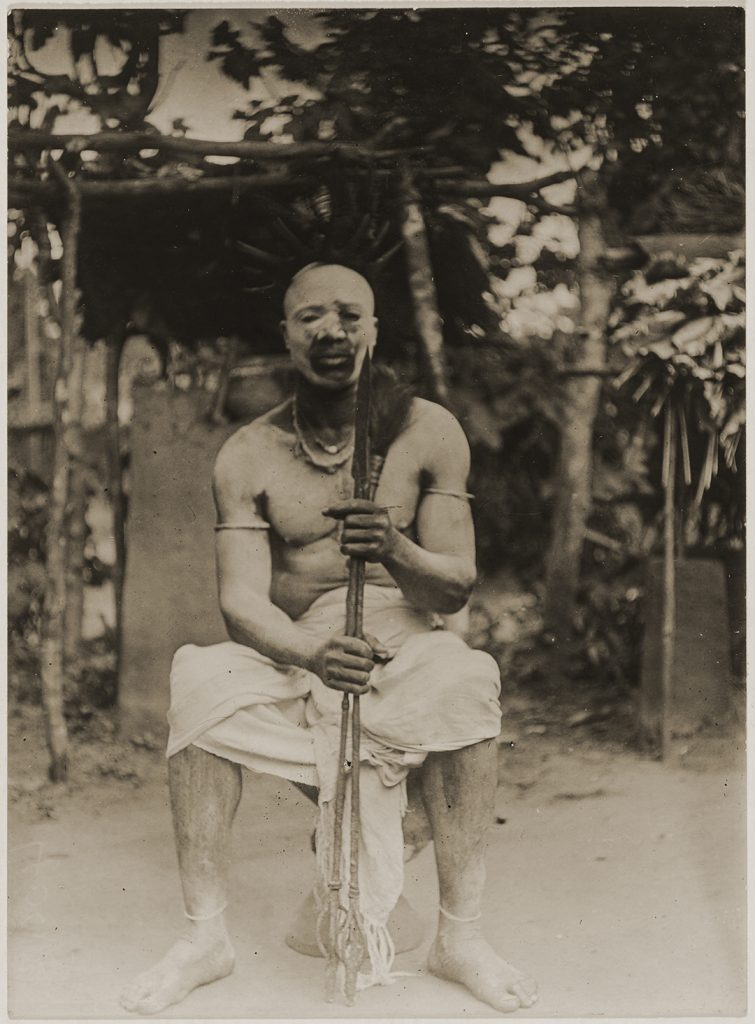
The axiom emphasizes the importance of recognizing and honoring the spiritual dimension of human existence, and the interconnectedness of all things in the universe. It is a reminder that human beings are not separate from the natural world, but are an integral part of it. Spiritual hygiene is then seen to be as equally important as physical hygiene, to prevent the spread of spiritual pollution which could hinder a person’s growth just as physical hygiene prevents the spread of diseases. It involves keeping oneself spiritually clean as a way of life, as well as through frequent cleansing rituals that range from minor to major practices
It is impossible to discuss the subject of spiritual hygiene in Igbo spirituality without addressing the concept of “Nso”, which has both a negative and positive sense. In its negative sense, Nso means ‘avoidance’ or ‘prohibition’, and in its positive sense it means ‘holy’ or ‘sacred’. In a combination of both its negative and positive sense, Nso could then be translated as ‘sacred prohibition’. The concept of Nso in Igbo spirituality is often associated with certain activities that are considered sacred or spiritually significant. Breaking or violating an Nso is believed to bring about spiritual pollution which can have negative consequences for the individual or the community at large. This is one of the many reasons why spiritual hygiene is taken seriously as a way of life in Odinani.
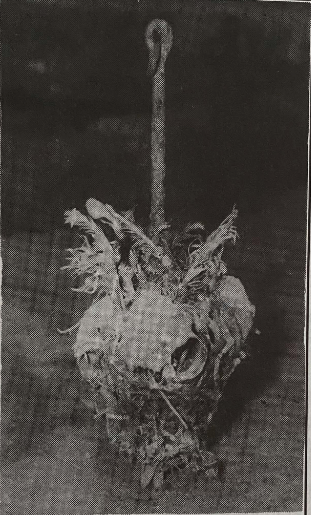
Source: After God Is Dibia, Volume 1, page 9
Another concept that is crucial to the subject of spiritual hygiene in Igbo spirituality is the concept of “Aja”, it is a concept in Odinani which refers to the practice of making sacrifices to spirits in order to maintain balance and harmony between the spiritual and physical worlds. The sacrifices are believed to be necessary to appease the land of spirits and ensure their continued favor and protection. They may involve the offering of food, animals, or other objects, and are often performed in sacred places or during specific rituals.
There is another Igbo axiom which holds the wisdom of the practice of Aja, it states “Ka ana achu aja, ka ikpe n’amah ndi mmuo” which means “Let’s keep sacrificing, let the spirits take the blame.” This axiom holds the belief that by making sacrifices, humans can avoid blame or negative consequences for their actions, as spirits will take responsibility for any negative outcomes. It reflects the Igbo belief in the interconnectedness of all things in the universe and the importance of maintaining a harmonious relationship with the spiritual realm. More importantly, Aja is also used in a sense as a tool of purification in Odinani to rid one of spiritual pollution which the ancestors and spiritual beings are expected to help keep in check.

There are several aspects of Aja which assert to its crucial relevance as a tool for spiritual hygiene in Odinani, such as Ichu Aja (driving a way impurities), Ichu Noonu or Ikpochi Onunu (driving away from or closing a gaping grave), Ichu Ochuchu (driving away a punitive type of impurity), Obo di n’ana (spirit retaliation planted on the land) e.t.c. Some of these aspects of Aja also assert the value of spiritual hygiene to the very fabric of the Igbo way of being. Another concept which cannot be ignored when discussing spiritual hygiene in Igbo Spiritually is one known as “Ikpu Alu”, which means ‘to drive out abomination’.
Just like all other tools of spiritual purification to get rid of pollution in Odinani, it may be carried out on behalf of an individual or a community. There are usually special instances of what is considered to be spiritual pollution which are of a more serious nature that require this purification ritual or process of Ikpu Alu to be done. There is barely enough space in the scope of this post to go into proper details of each concept which we have highlighted in order to illustrate both factors of pollution and purification, as we consider them as major elements within the subject of spiritual hygiene in Odinani.

On a final note, there are some basic tools and rituals for spiritual hygiene in Igbo spirituality which Odinani adherents are encouraged to put into practice as way of life, such as making use of water to wash the legs, face, mouth and hands or whole body before engaging in Igo Ofo or Igo Mmuo (communion with the spirit realm) rituals, and using other tradition items such as Ose oji (alligator pepper), mmanụ nkwu (palm oil), nnu (salt), akwa (egg) etc to ward off ‘Uchu’ which refers to negative energies known to cause spiritual pollution. Spiritual hygiene as a conscious practice is as important today as it has always been in Odinani for several reasons, some of which include maintaining balance and harmony as the practice helps to keep negative energy (uchu) at bay, and consequently generates more positive energy. It also encourages us to pay attention to our energy or aura. By using certain rituals to repel unwanted energy, we are taught to consciously maintain our energetic state and achieve balance and harmony as a way of life.
Ultimately, when we practice good spiritual hygiene, it is believed that we are able to connect more deeply with the divine and strengthen our relationship with the spirit world. Our spiritual, physical, mental, and emotional well-being are all believed to be interconnected, and neglecting one area can have negative effects on the others. By maintaining good spiritual hygiene, we can promote overall well-being and reach our greatest potential while maintaining a pure and aligned spiritual state as Ndi Mmadu (enlightened human beings).
 Odinani: The Sacred Arts & Sciences of the Igbo People